cultural site preservation
Cultural Resource Management (CRM) is frequently associated with archaeology, but it encompasses a broader array of properties. This includes:
Cultural landscapes
Archaeological sites
Historical records
Spiritual places
Expressive cultures
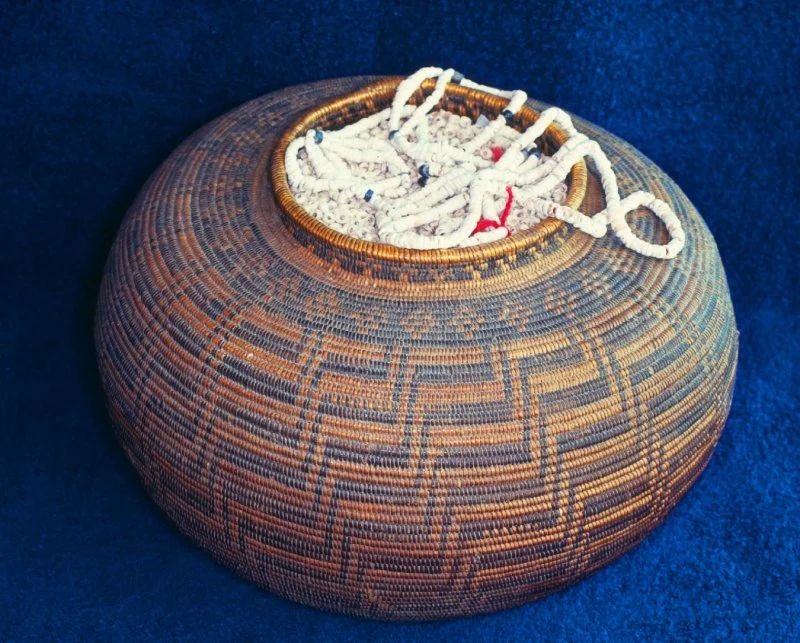
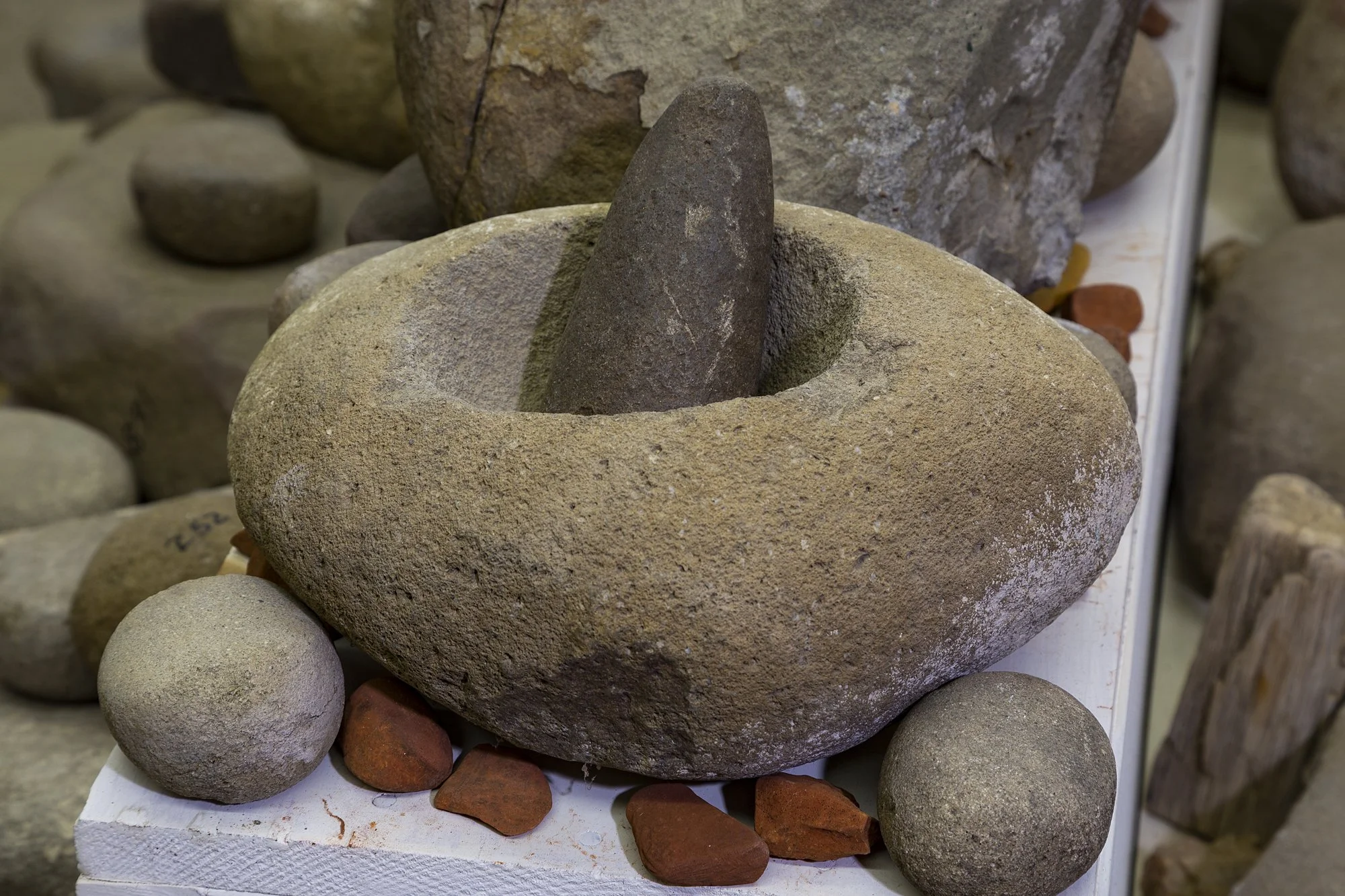
Artifacts
Religious beliefs and practices
Social institutions
Industrial heritage
These elements collectively contribute to preserving our cultural heritage.
resource monitoring
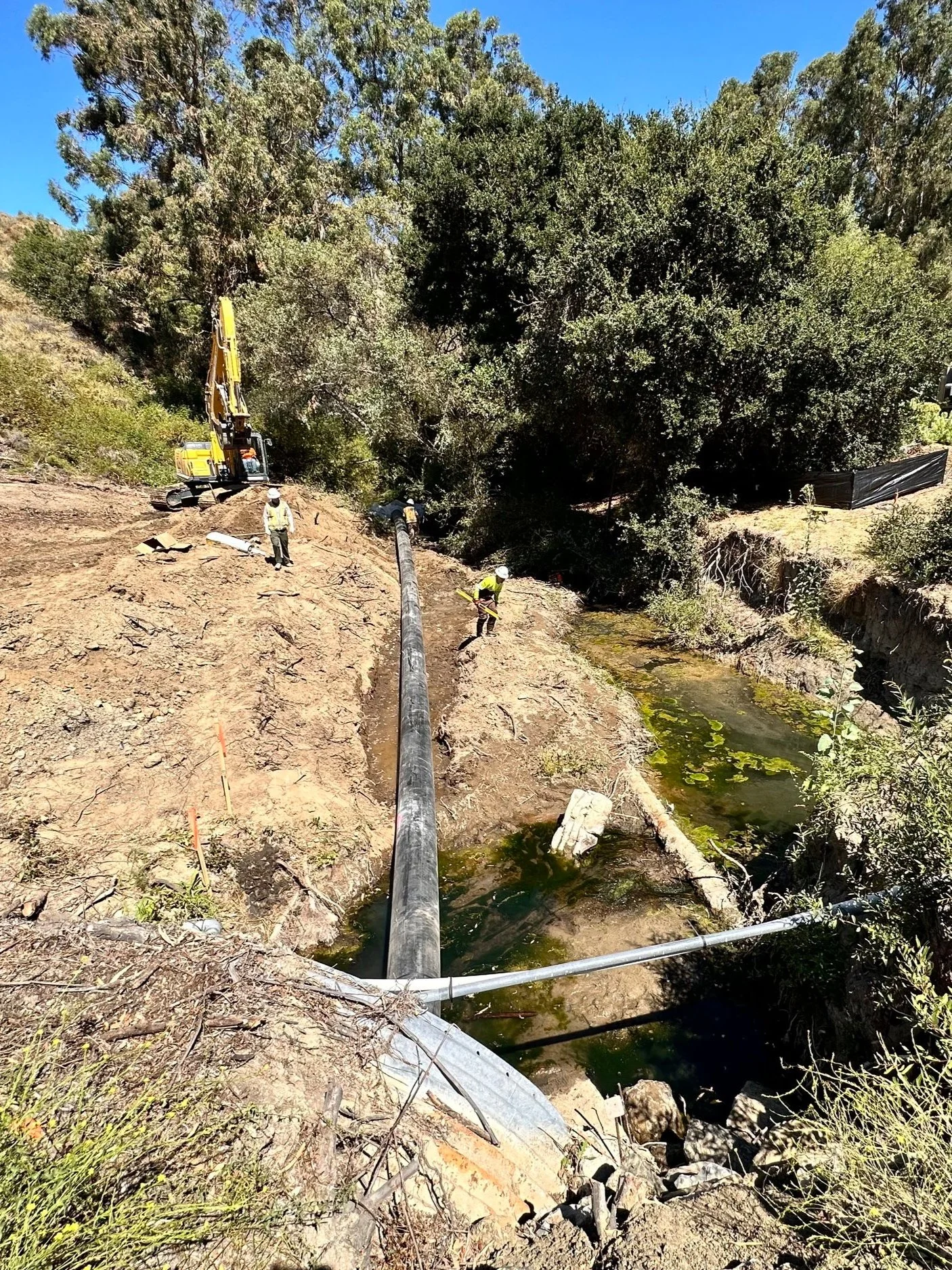
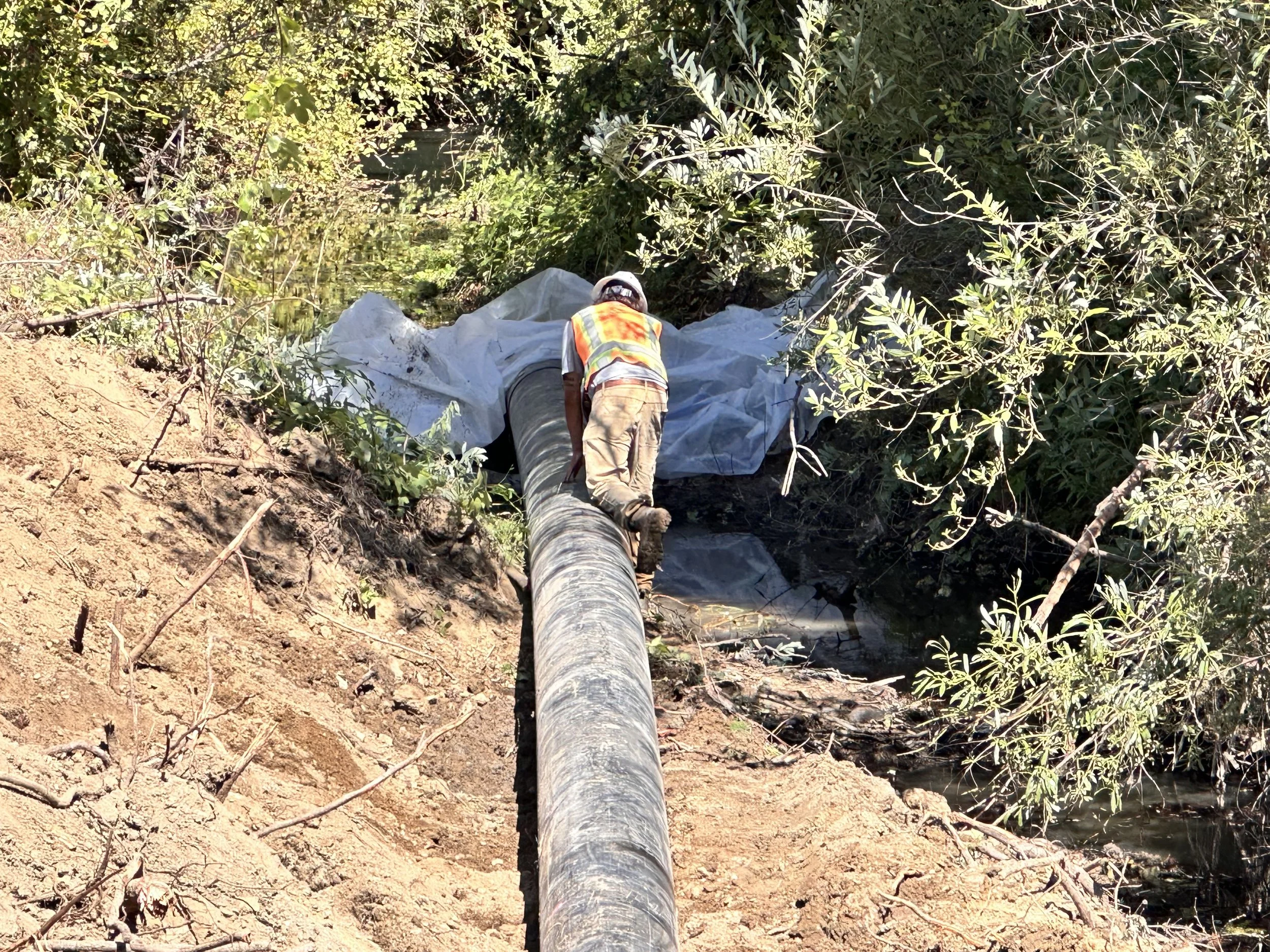
The process must strike a balance among several needs: ensuring safety, protecting the environment, addressing the development and construction requirements of a growing community, while also honoring and safeguarding the past.

ethical returns and repatriation
Shared stewardship and ethical returns represent a collaborative effort involving local, national, and international organizations, including universities, museums, and private collections. The repatriation of these accessions and collections comes with a responsibility to the communities and individuals from which they originated.